Plating Techniques That Make Home Cooking Look Professional
Professional chefs spend years learning not just how to cook food but how to present it in ways that heighten the dining experience before a single bite is taken. The visual composition of a plate influences expectation, perceived flavor intensity, and overall satisfaction. None of the principles that guide professional plating are beyond the reach of home cooks since they require attention and practice, not expensive equipment or culinary school training. Understanding a few foundational concepts transforms plating from an afterthought into an integral part of cooking.
The Rule of Odd Numbers and Negative Space
Culinary plating shares visual principles with other design disciplines. Odd numbers such as three scallops, five asparagus spears, or seven dots of sauce read as more dynamic and natural than even arrangements, which tend to feel static and symmetrical. This is the culinary application of what designers call the rule of odds, and it works because the eye searches for pattern completion that an even-numbered arrangement provides too easily. Equally important is negative space: the empty area of the plate not covered by food. Covering every square centimeter of a plate creates visual clutter and makes portion size appear smaller. A standard rule is to leave at least one-third of the plate surface empty, pushing the main components toward one side or using a low ring mold to stack components vertically and create a focal point.
Saucing: Swipes, Pools, and Dots
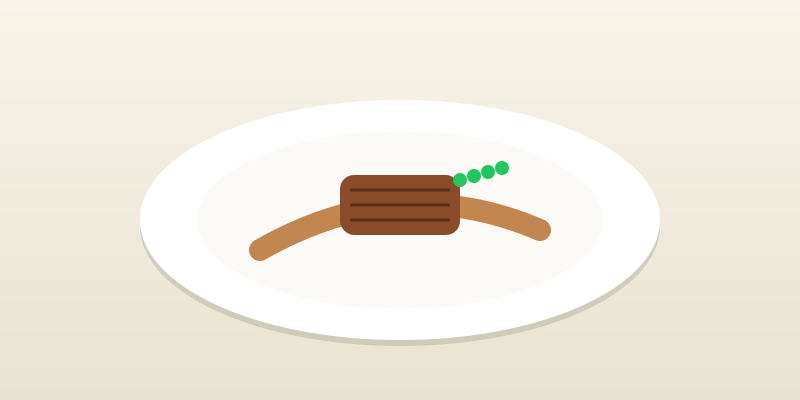
How sauce is applied to a plate dramatically affects the overall aesthetic. A swipe involves placing a spoonful of sauce near the plate's center and drawing the back of the spoon across it in a single confident motion to create an elongated teardrop shape. A shallow pool of sauce, ladled into a depression in the center of the plate before the main component is placed on top, creates depth and ensures the sauce remains visible around the edges of the plated item. Dots of sauce applied with a squeeze bottle create graphic interest and can be made into teardrops by dragging a toothpick through them. Whatever method you choose, apply sauce deliberately and consistently, wiping any sauce from the plate rim with a clean towel before serving.
Height, Texture Contrast, and Garnish Placement
A flat plate of food engages the eye less than one with varied heights. Stacking by placing a portion of starch or vegetable as a base, then topping with protein, then finishing with micro greens or herbs creates visual dimension without requiring any skill beyond careful placement. Contrast in texture, color, and temperature between components heightens visual appeal. A smooth puree paired with crispy fried shallots, a deep red braised protein alongside a bright green salsa verde, a warm component flanked by a cold pickled element each use contrast to make every component appear more vivid by comparison. Garnishes should be edible, relevant to the dish's flavor profile, and placed to enhance rather than obscure the main components. Improving plating requires deliberate practice. Take a photograph of every plated dish before serving and over time these images will reveal patterns in your defaults and point toward specific areas for improvement. More guides are in our articles section.