How to Plate Food Like a Professional Chef
A beautifully plated dish does something fundamental: it signals to the diner that what they are about to eat was prepared with intention and care. The visual impression precedes the first bite, priming expectations and enhancing the overall eating experience. Research in sensory science has repeatedly shown that the same food genuinely tastes better when it looks better. Plating is not superficial — it is an integral part of the culinary experience.
Start With the Right Plate
Professional kitchens are deliberate about plate selection. Round white plates remain the industry standard for good reason: they provide a neutral canvas that does not compete with the food's colors, they make food pop visually, and they are versatile across cuisines and presentations. The size of the plate matters too — a generous plate with controlled food placement creates immediate elegance; crowding food on a small plate does the opposite.
Plates should be warm for hot food and cold (or at least room temperature) for cold dishes. A warm plate extends the service window for a hot dish and prevents the jarring experience of rich, hot food hitting a cold ceramic surface and immediately solidifying around the edges.
The Architecture of a Plate
Think of your plate in zones. In a classic Western plating style, the protein occupies the top third of the plate (from the diner's perspective), the starch is at the lower right, and the vegetable at the lower left. This creates a natural clockwise progression that the eye follows easily. Contemporary plating often departs from this strict formula, but the underlying principle — that food should have a clear visual organization that guides the eye — remains constant.
A strong focal point is essential. Usually this is the primary protein or the most visually striking element of the dish. Everything else on the plate should support and frame that focal point without competing with it.
Saucing Techniques That Elevate Presentation
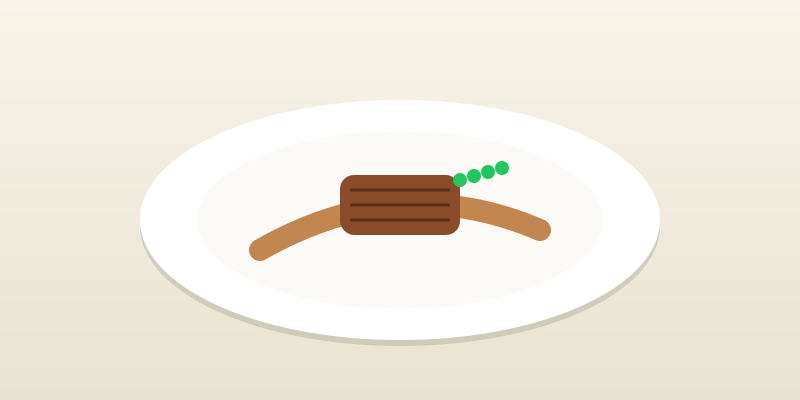
Sauce application is where home cooking most often diverges from professional presentation. The most versatile technique for plating is the spoon drag: place a generous spoonful of sauce near the center of the plate and drag the back of the spoon through it in a single confident stroke, creating an organic teardrop or comma shape. This technique looks elegant, creates movement, and frames the protein without obscuring it.
Sauce dots — small precise dots applied with a squeeze bottle or the tip of a spoon — work well for accent sauces with contrasting colors. A drizzle of herb oil or reduction creates beautiful color contrast and indicates freshness. Whatever technique you use, apply sauce before placing the protein, not after — this prevents displacing carefully positioned components. Find more inspiration in our blog and resources.
Practicing Plating at Home
Improving your plating does not require a professional kitchen or expensive tools — it requires intention and practice with equipment you already have. Begin by choosing the right plate: a large white dinner plate with a wide, clean rim provides the best canvas for practice. Before plating, warm the plate in a low oven or by running it under very hot water (dry it thoroughly before use). Have all components ready before beginning to plate — rushing through plating while some elements are still cooking produces inconsistent results.
Practice specific techniques deliberately. Spend one week practicing the spoon-drag technique with different sauces. Spend another week working on consistent portion placement. Photograph your results and study them critically — photography reveals asymmetries and proportion issues that are often invisible in person. The camera does not lie, and chefs in professional development use food photography as a plating feedback tool routinely. Over weeks of deliberate practice, your plating will improve visibly and measurably. See more cooking guides on our blog and resources.